Stephan Koester (Director)
Little is known about Stephan Koester, a figure with a modest footprint in Director. Stay tuned for updates as more details become available.
Little is known about Stephan Koester, a figure with a modest footprint in Director. Stay tuned for updates as more details become available.
This German format is not a series properly speaking, as it has no permanent cast or script continuity, but presents each time a 45 minutes documentary, usually in part presented as a docudrama (not faction, as close to scientific knowledge as possible, but visually attractive), elaborating a specific historical theme, widely varied, often exotic in the sense of a far time (as far back as prehistoric times) and/or place (around the globe), although some episodes fit together well, chronologically or thematically, but always fit to be watched separately. Usually authentic locations are used, as well as scenes from and/or interviews about the scientific research it is based upon.
Release Date1994-12-04
DepartmentDirecting
JobDirector
Episode Count6
Vote Count4
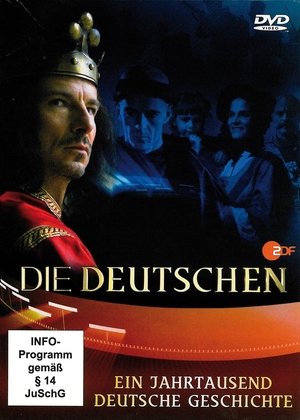
Die Deutschen is a German television documentary produced for ZDF that first aired from October to November 2008. Each episode recounts a selected epoch of German history, beginning with the reign of Otto the Great and ending with the collapse of the German Empire at the end of the First World War. In November 2010 the second season of Die Deutschen was published in German television, beginning with Charlemagne, the Frankish King, and ending with Gustav Stresemann, the Chancellor and Foreign Minister during the Weimar Republic. Historical events are recreated through a combination of live action scenes and computer generated animations. The series was filmed at over 200 different locations in Germany, Malta, and Romania at a cost of approximately €500,000 per episode.
Release Date2008-10-26
DepartmentDirecting
JobDirector
Episode Count1
Vote Count9
For 1000 years, Christian Byzantium was considered the epitome of faith, power and wealth. But in the end, it sank into violence, resentment, war and catastrophe. Who were these Byzantines? How did Byzantium become the new world power after Rome? And what role did Constantinople play in the emergence of the Christian West?
Release Date2015-05-21
DepartmentDirecting
JobDirector
Release Date2017-06-05
DepartmentDirecting
JobDirector
Release Date2005-07-02
DepartmentCreator
JobCreator

NAPOLEON UND DIE DEUTSCHEN shows that it was, of all people, a foreign emperor—the French ruler who dominated the continent for a century—who catapulted the Germans into their national era through conquest and reform. Bonaparte, in collaboration with the German princes, put an end to the Old Empire and its territorial fragmentation. Fundamental changes take place—both with and against Napoleon. In the end, larger German states emerge from the territorial fragmentation. As a reformer, Napoleon sows the desire for freedom; as a tyrant, he awakens German national sentiment. Hardly any emperor before him has ever contributed so much to bringing the Germans closer together. Against his will, he becomes the awakener of the “nation.”
Release Date2008-11-01
DepartmentDirecting
JobDirector
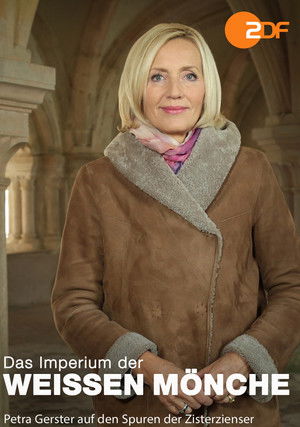
Release Date2016-12-26
DepartmentDirecting
JobDirector
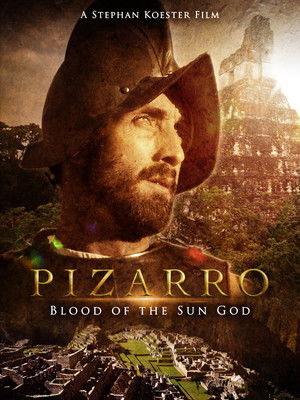
In 1532, Francisco de Pizarro defeated the great Inca emperor Atahualpa's army of 30,000 warriors with just 180 men. Who was this man who brought the powerful empire to its knees? What drove him to pioneer his way to the elevated plains of the Andes, and with a force of just a few men, take on the powerful Inca army?
Release Date2001-06-01
DepartmentWriting
JobWriter
Vote Count1
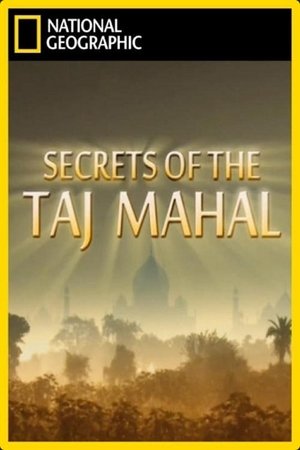
The Taj Mahal: Symbol of India, architectural jewel, and monument to a grand passion. Built in the 17th century by the Great Mogul Shah Jahan in honor of Mumtaz Mahal, the love of his life. Before she died, legend says, Mumtaz Mahal made a wish for a mausoleum, more sublime than any the world had seen. Built on the banks of the Yamuna River in Agra, it is said to have required over 20,000 workers including the best craftsmen of the Empire. Millions of bricks were baked on site only to disappear forever under flawless white marble. A heavenly memorial to the Queen of the World, or as a poet described it: "A teardrop on the cheek of time". A love poem set in stone and the most perfect building in the world.
Release Date2010-02-12
DepartmentDirecting
JobDirector