Maurice Pialat

Maurice Pialat  (21 August 1925 – 11 January 2003) was a French film director, screenwriter and actor noted for the rigorous and unsentimental style of his films. His work is often described as being "realist", though many film critics acknowledge that it does not fit the traditional definition of realism.

Works

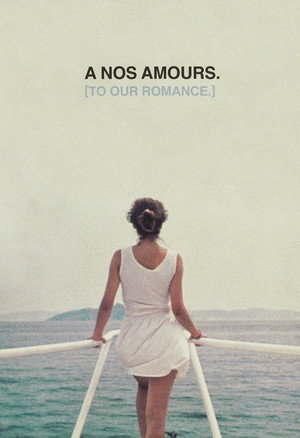
A Nos Amours

Fifteen-year-old Suzanne seeks refuge from a disintegrating family in a series of impulsive, promiscuous affairs. Her fulsome sexuality further ratchets up the suppressed passions of her narcissistic brother, insecure mother and brooding, authoritarian father.

Release Date1983-11-16

DepartmentDirecting

JobDirector

Charactersd Le Père

Vote Count214

The House in the Woods

During World War One, in a small rural French village far away from the front, a gamekeeper and his wife take in children displaced by the war.

Release Date1971-09-12

DepartmentDirecting

JobDirector

Charactersd L'instituteur

Episode Count7

Vote Count10

Grosse

A César award winning short film about a young actress who has to disguise her pregnancy bump in order to keep working.

Release Date1985-01-01

Charactersd Le réalisateur

Vote Count1

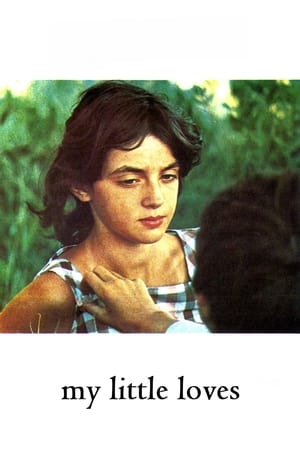
My Little Loves

Daniel lives with his grandmother and, after a year of high school, goes to live with his mother in the south of France; a harsher environment which rapidly changes his perception of friends, work, and women.

Release Date1974-12-20

Charactersd Henri's Friend

Vote Count56

Under the Sun of Satan

Satan tempts Father Dossignan, who is trying to save the soul of a young girl who killed one of her lovers.

Release Date1987-08-01

DepartmentDirecting

JobDirector

Charactersd Menou-Segrais

Vote Count132

Cinématon XXIV

Reel 24 of Gérard Courant’s on-going Cinematon series.

Release Date1982-12-14

Charactersd N°236

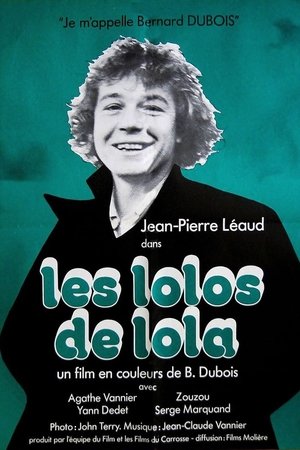
Lola's Lolos

In a deliberately erratic and disjointed fashion, this film follows the adventures of Bernard (Jean-Pierre Leaud). A young man from the provinces, he makes his pilgrimage to Paris and seeks adventure while living on a barge.

Release Date1976-02-11

Charactersd The tool seller

Vote Count7

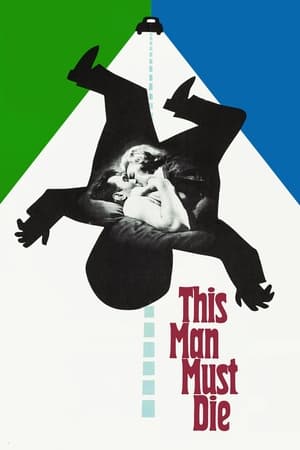
This Man Must Die

When his young son is killed in a hit and run accident, Charles Thenier resolves to hunt down and murder the killer. By chance, Thenier makes the acquaintance of an actress, Helène Lanson, who was in the car at the time of the accident. He then meets Helène’s brother-in-law, Paul Decourt, a truly horrible individual.

Release Date1969-09-04

Charactersd Inspecteur Constant

Vote Count155

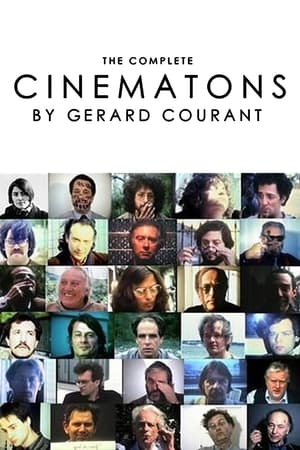
Cinématon

Cinématon is a 156-hour long experimental film by French director Gérard Courant. It was the longest film ever released until 2011. Composed over 36 years from 1978 until 2006, it consists of a series of over 2,821 silent vignettes (cinématons), each 3 minutes and 25 seconds long, of various celebrities, artists, journalists and friends of the director, each doing whatever they want for the allotted time. Subjects of the film include directors Barbet Schroeder, Nagisa Oshima, Volker Schlöndorff, Ken Loach, Benjamin Cuq, Youssef Chahine, Wim Wenders, Joseph Losey, Jean-Luc Godard, Samuel Fuller and Terry Gilliam, chess grandmaster Joël Lautier, and actors Roberto Benigni, Stéphane Audran, Julie Delpy and Lesley Chatterley. Gilliam is featured eating a 100-franc note, while Fuller smokes a cigar. Courant's favourite subject was a 7-month-old baby. The film was screened in its then-entirety in Avignon in November 2009 and was screened in Redondo Beach, CA on April 9, 2010.

Release Date1978-12-20

Charactersd N°236

Vote Count6

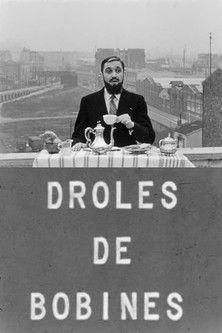
Funny Reels

Ruby Alcow becomes assistant manager of a factory, twenty years after failing his baccalaureate five times, engaging in absurdist shenanigans with his coworkers. Pialat's early short film made for Olivetti's end-of-year party, where the filmmaker was then a sales representative; an homage to silent era slapstick comedy.

Release Date1957-01-01

DepartmentDirecting

JobDirector

Charactersd Ruby Alcow

Vote Count2

Vivement dimanche

Release Date1998-09-20

Charactersd Self

Episode Count1

Vote Count7
Spécial cinéma

Spécial cinéma

Marcello Mastroianni, Isabelle Adjani, Alain Delon, Martin Scorsese, Woody Allen... the biggest stars in cinema were welcomed by Christian Defaye on his show Spécial cinéma. Between intimate confessions from actors and immersion in the world of the greatest filmmakers, Christian Defaye took viewers on a journey into the fascinating world of cinema for nearly thirty years.

Release Date1974-09-25

Charactersd Self

Episode Count5

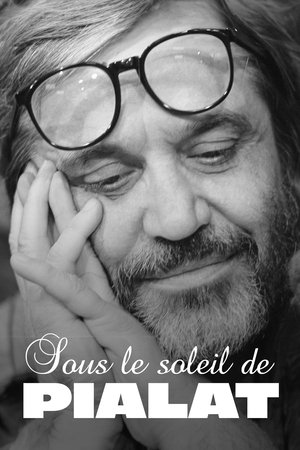
Sous le soleil de Pialat

In just ten films, Maurice Pialat painfully rose to the top of the cinema, draining into his legend a mad demand for truth as much as memorable fury to achieve it. With "L'Enfance nue", his first feature film at the age of 43, the filmmaker immediately made his mark, this "art of making things authentic", according to Chabrol. But throughout an unclassifiable filmography in the form of an autobiography, from a break-up to his fatherhood in wonder, through the agony of his mother, the filmmaker does not get rid of the feeling of being misunderstood, despite international recognition.

Release Date2021-10-18

Charactersd Self (archive footage)

Vote Count4

Autour de L'Enfance nue

Documentary about the making of Maurice Pialat's 1969 film "L'Enfance nue" (Naked Childhood).

Release Date1969-01-31

Charactersd Self - Interviewee

Maurice Pialat, l'amour existe

A documentary about the life and career of Maurice Pialat produced by his widow, the accomplished film producer Sylvie Pialat. The film interweaves clips from his films with interview footage of Pialat, who speaks of growing up as an only child, his interest in painting, his early influences in cinema from Yasujiro Ozu to John Ford, his disaffection with the French New Wave, and the theme of abandonment in his films. Pialat’s remarks offer insights into his aesthetic strategies and hint at his reputation as a challenging, irascible director, known for having pushed his actors to deliver raw and powerful performances.

Release Date2007-05-30

Charactersd Self

One Minute for One Image

TV series directed by Varda in which she gives thoughts to her favorite images and why she is drawn to them (in short one minute segments per image)

Release Date1983-01-31

Charactersd Self - Narrator

Vote Count5

17ème jour de tournage du film "Police"

Release Date1984-12-05

Charactersd Self

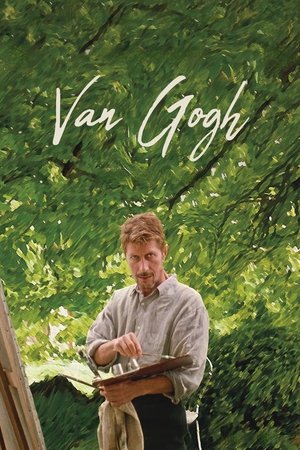
Van Gogh

After leaving the asylum, Vincent van Gogh settles in the home of Doctor Gachet, where he keeps painting amidst the torments of his failing mental health. He begins an affair with his host’s daughter, however, she soon realizes that he doesn’t love her and that his heart beats only for art.

Release Date1991-10-30

DepartmentDirecting

JobDirector

Vote Count115

Police

Mangin, a police inspector in Paris, leans hard on informants to get evidence on three Tunisian brothers who traffic in drugs. He arrests one, Simon, and his girl-friend Noria. Simon's brothers go to their lawyer. He springs Noria, who promptly steals 2 million francs that belong to the Tunisians. They suspect her of the theft; her life as well as the lawyer's is in danger. Meanwhile, Noria is playing with both the lawyer and Mangin's affections. Mangin is mercurial anyway: intimidating and bloodying suspects, falling for a police commission trainee before flipping for Noria, wearing his emotions on his sleeve. Can he save the lawyer and Noria, and can he convince her to love?

Release Date1985-09-04

DepartmentDirecting

JobDirector

Vote Count122

The Son Of...

A self-centered man (Gérard Depardieu) with many diversions occasionally visits his 4-year-old son (Antoine Pialat) and the boy's mother (Géraldine Pailhas).

Release Date1995-10-31

DepartmentDirecting

JobDirector

Vote Count28

Loulou

A bored wife leaves her husband for an unemployed, petty criminal.

Release Date1980-09-03

DepartmentDirecting

JobDirector

Vote Count101

Maître Galip

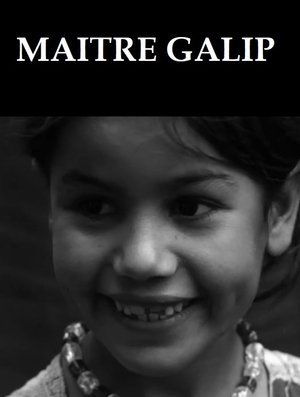
Maître Galip is the most poetic and powerful of Pialat's Turkish Chronicles, using the poems of Nazim Hikmet to accompany a series of evocative images of ordinary working class people in Istanbul. This was the film that Pialat himself claimed was the most complete realization of what he was aiming for with his Turkish documentaries. It's not difficult to see why this was his favorite: here he abandons the historical commentary and documentary observation of the other shorts in favor of an emotional emphasis on the lives of the poor and the unemployed.

Release Date1964-01-01

DepartmentDirecting

JobDirector

Vote Count6

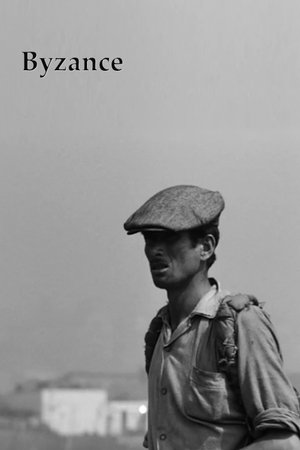
Byzance

Byzance uses a text by Stefan Zweig to describe the Ottoman conquest of the city in 1453. Before he turned to feature filmmaking in 1968 with Naked Childhood, Pialat worked on a series of short films, many of them financed by French television. Byzance is one of Pialat’s six Turkish shorts.

Release Date1964-01-01

DepartmentDirecting

JobDirector

Vote Count13

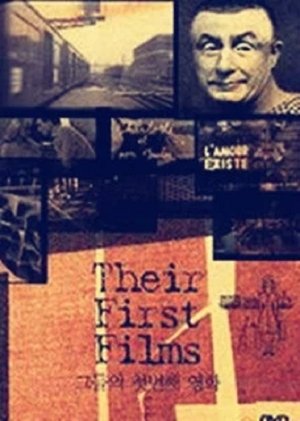
Their First Films

Release Date2004-05-07

DepartmentDirecting

JobDirector

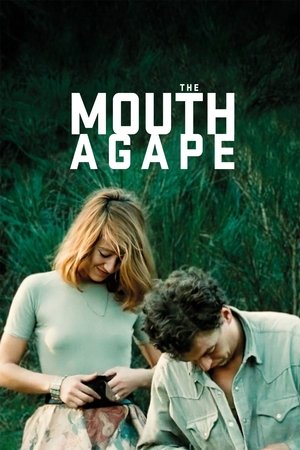
The Mouth Agape

Monique is dying of cancer, lying in bed in the apartment above the store her family owns. Her philandering husband carries on with life, her son remains aloof, and her daughter-in-law wonders if she is witnessing her own decline. They all struggle to express, or feel, their love for one another.

Release Date1974-05-08

DepartmentDirecting

JobDirector

Vote Count32

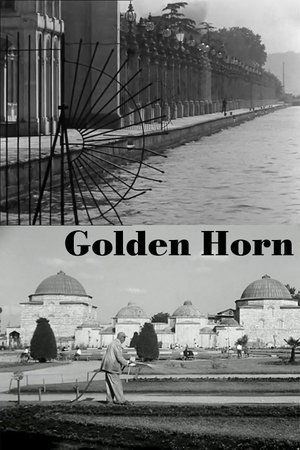
Golden Horn

La Corne d'or is mostly concerned with religious ritual, examining the mosque (and former cathedral) discussed in Byzance. As a contrast against Istanbul's status as a center of historical religious conflict, Pialat — drawing here on texts by the French poet Gérard de Nerval — also describes the city as a place of strange ethnic and religious harmony, with representatives of various cultures and religions living in close contact. He emphasizes the city's hybrid culture, its blend of Southern European and Arab influences, reflected in both its people and its very construction.

Release Date1964-01-01

DepartmentDirecting

JobDirector

Vote Count9

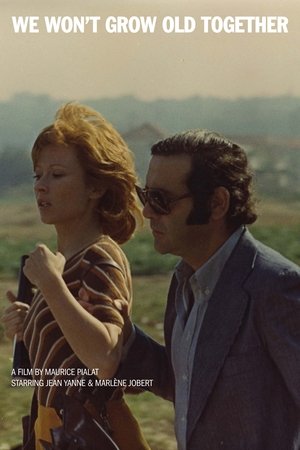
We Won't Grow Old Together

Jean, a married 40-year-old filmmaker, and his young working class lover, Catherine, engage in a circular series of spectacular blow-ups and tentative reunions, their mutual desire a fire that burns them again and again.

Release Date1972-05-03

DepartmentDirecting

JobDirector

Vote Count83

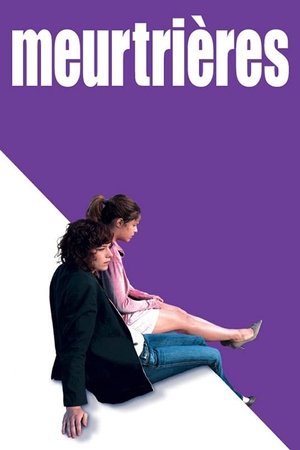
Murderers

Nina and Lizzy meet at the mental institution they are committed to. Nina, who feels guilty for her father's death, has been depressed since the tragic event. As for Lizzy, a slightly unbalanced girl, has been confined there after a suicide attempt. One Saturday night, Lizzy persuades Nina to sneak out of the clinic to paint the city red with her boyfriend Malik and their common friends. But things do not go according to plan. Not at all...

Release Date2006-06-28

DepartmentWriting

JobIdea

Vote Count13

Naked Childhood

Handed over to foster care by his mother—who's unwilling to give up permanent custody—the now-adolescent François understands that nothing in life is permanent, and his increasingly erratic actions reflect this knowledge.

Release Date1969-01-22

DepartmentDirecting

JobDirector

Vote Count81

La Camargue

A short 6-minute essay-documentary by Maurice Pialat on the region in which much of the action of Nous ne vieillirons pas ensemble unfolds.

Release Date1966-01-01

DepartmentDirecting

JobDirector

Vote Count2

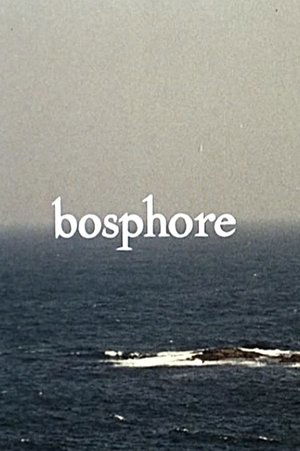
Bosphore

Short doc by Maurice Pialat. The first film in the series set at Turkey, Bosphore, is also the only one that was shot in color.

Release Date1964-01-01

DepartmentDirecting

JobDirector

Vote Count11

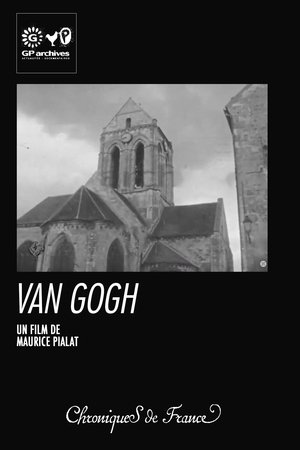
Van Gogh

A quick look at Auvers-sur-Oise, the place where Vincent Van Gogh spent the final months of his life and where he and his brother were both buried. Produced as part of the "Chroniques de France" TV series.

Release Date1966-04-18

DepartmentDirecting

JobDirector

Vote Count2

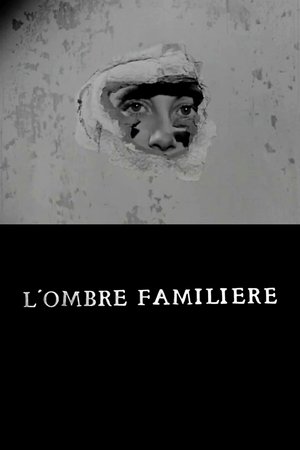
The Familiar Shadow

Impressive sound design, non-linear editing, great ‘expressionistic’ locations and b&w cinematography, this is an experimental piece for Pialat, a psychological/gothic thriller of sorts...

Release Date1958-12-31

DepartmentDirecting

JobDirector

Vote Count3

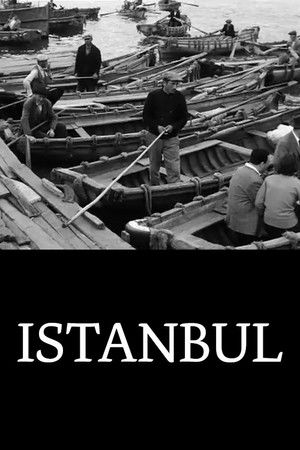
Istanbul

All of Pialat's Turkish films are uniquely interested in the country — especially Istanbul — as it was, not just as it is at the precise moment that Pialat is filming it. History informs these films in a big way, with the voiceover narration (which incorporates excerpts from various authors) introducing tension between the images of the modern-day city and the descriptions of incidents from its long and rich history. Istanbul is probably the most conventional documentary of Pialat's Turkish series, providing a general profile of the titular city, its different neighborhoods, and the different cultures and ways of living that coexist within its sprawling borders. As the other films in the series also suggest, Pialat sees Turkey, and Istanbul in particular, as a junction point between Europe and the East, between the old and the new, between history and modernity.

Release Date1964-01-01

DepartmentDirecting

JobDirector

Vote Count7
Love Exists

An essay film critiquing post-war France's urban developments- Pialat states that modernity and suburban convenience have limited Parisian freedom and widened class gaps.

Release Date1960-02-11

DepartmentDirecting

JobDirector

Vote Count29

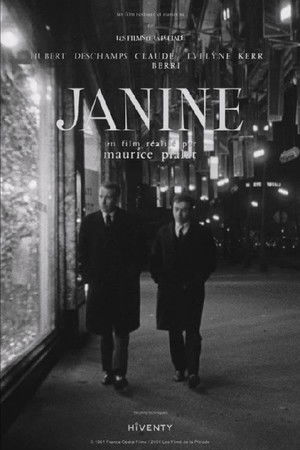
Janine

During a desultory night on the town, two men talk about their experiences with women. One of them disparages his ex-wife, while the other is enamored of the prostitute he was with earlier in the evening. Without realizing it, both men are talking about Janine.

Release Date1962-01-01

DepartmentDirecting

JobDirector

Vote Count7

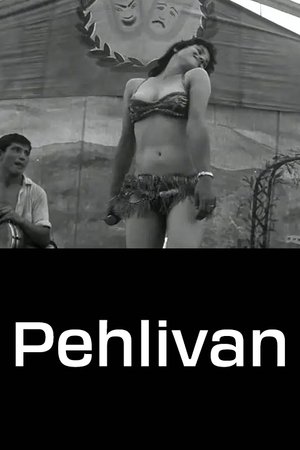
Pehlivan

Pehlivan focuses on a three-day wrestling competition, an ancient tradition that dates back over a thousand years to the time of the Ottoman Empire, originating in the games the soldiers would play to entertain themselves in between battles. Maybe that's why there's more than a hint of homoeroticism in the way the wrestlers oil themselves up with grease, making sure to cover every inch of their bodies so that their opponents will be unable to get a grip. Pialat's closeups emphasize the men's muscular bodies jammed together and sliding off one another, posed in intimate, twisted arrangements, struggling desperately for a grip on each other's bodies. Arms are jammed down pants, one of the only places there's some potential for a handhold, and the whole thing is very suggestive and sensual, a form of intimate male contact that's sanctioned as a show of strength and masculinity.

Release Date1964-01-01

DepartmentWriting

JobWriter

Vote Count9

Graduate First

A slice of life of a group of young working class friends in a Northern French village coming to the end of their school years and embarking upon adult life. The film follows the choices and decisions made for their futures.

Release Date1978-09-14

DepartmentDirecting

JobDirector

Vote Count36

Isabelle aux Dombes

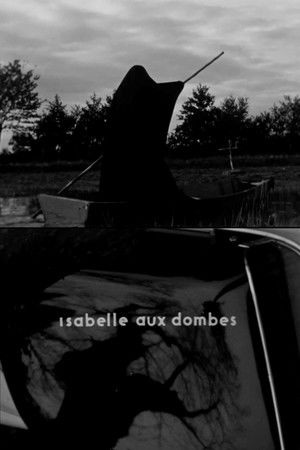
Pialat's first film was the short Isabelle aux Dombes, shot in 1951 when the director was 26 years old. The film is an entirely silent montage of documentary footage, ragged experimental techniques — mainly some negative-image inserts — and symbolic psychodrama that's surprisingly not too different from the work that Stan Brakhage would begin making just a year or two later. Images of death proliferate throughout the film, and what started as a loose documentary soon becomes an eerie psuedo-horror piece that's obsessed with death and decay.

Release Date1951-01-01

DepartmentDirecting

JobDirector

Vote Count5

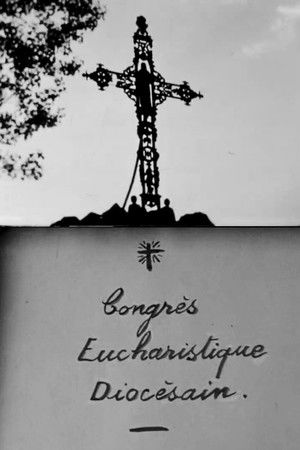
Congrès eucharistique diocésain

A Catholic holiday in a rural village in Auzelles, the filmmaker's native region in the Massif Central.

Release Date1953-01-01

DepartmentDirecting

JobDirector

Vote Count2

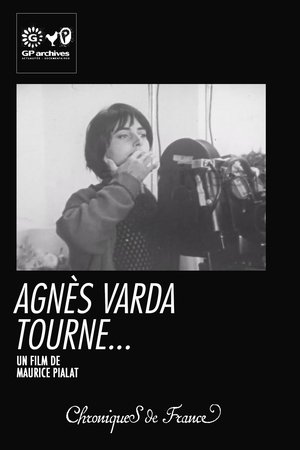
Agnès Varda tourne...

In Noirmoutier, Agnès Varda shoots her eighth film, Les Créatures, starring Catherine Deneuve, under the watchful eye of Maurice Pialat.

Release Date1965-01-01

DepartmentDirecting

JobDirector

Les Champs-Élysées

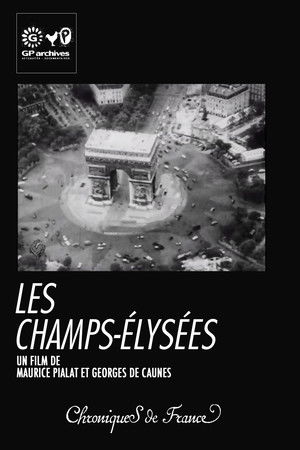
The life of the world's most famous avenue, day and night, as told by Maurice Pialat and Georges de Caunes.

Release Date1965-01-01

DepartmentDirecting

JobDirector

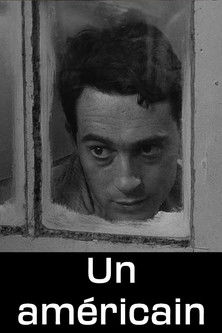
Un américain

An American sculptor, passioned by literature, comes to Paris to perfect his art, but ends up with barely no money, and to survive has to sell The New York Herald Tribune, at night, to his compatriots. A look at the bohemian Parisian life of the fifties.

Release Date1958-01-01

DepartmentDirecting

JobAssistant Director

Vote Count3

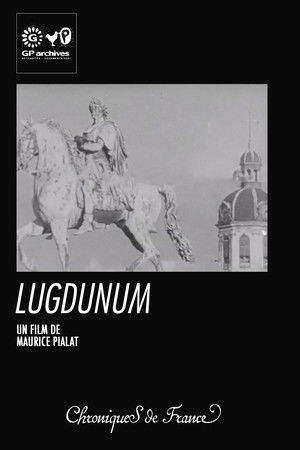
Lugdunum

A report celebrating Lyon, a young and vibrant city that has managed to preserve the vestiges of its ancient past.

Release Date1966-01-01

DepartmentDirecting

JobDirector

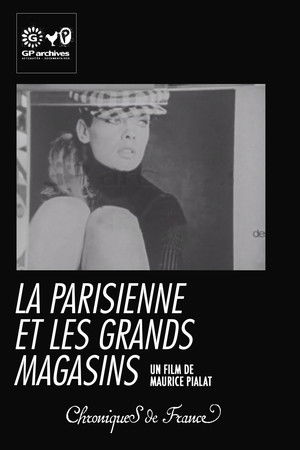
La Parisienne et les grands magasins

Images of Parisian department stores serve as a backdrop for commentary portraying the coquettish Parisian woman.

Release Date1965-01-01

DepartmentDirecting

JobDirector

Le Quartier Latin

Maurice Pialat films the Latin Quarter of Paris in the early 1960s.

Release Date1966-01-01

DepartmentDirecting

JobDirector

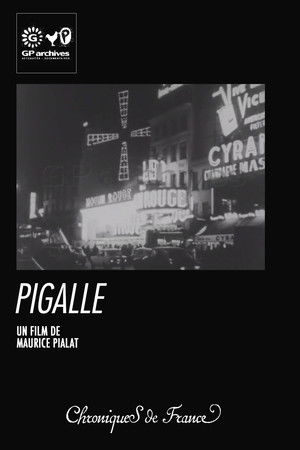
Pigalle

Pialat roams Pigalle, a two-faced neighborhood frequented at night by cabaret patrons and during the day by local residents.

Release Date1965-01-01

DepartmentDirecting

JobDirector

De la mer jaillira la lumière

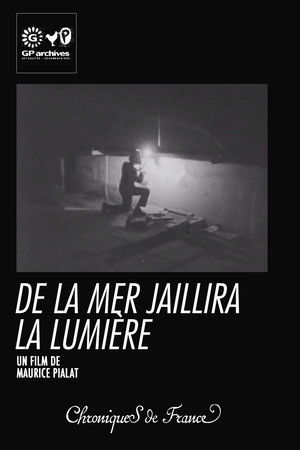
In Brittany, facing the strongest tides in Europe, the world's first tidal power plant is being built. A documentary also known as The Rance Tidal Power Plant.

Release Date1966-01-01

DepartmentDirecting

JobDirector

Pierres éparses

Release Date1962-02-12

DepartmentDirecting

JobDirector

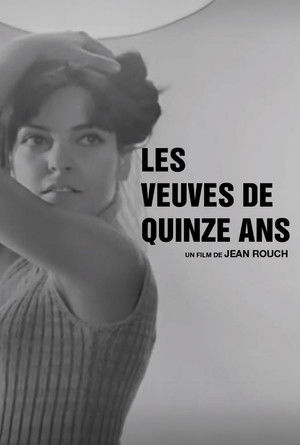
The Fifteen-Year-Old Widows

One of four film sketches on the problems of adolescents facing the adult world in the 1960s included in the anthology film That Tender Age (La fleur de l'âge, ou Les adolescentes). The three other sketches were directed by Michel Brault, Hiroshi Teshigahara, and Gian Vittorio Baldi.

Release Date1964-08-27
Vote Count7