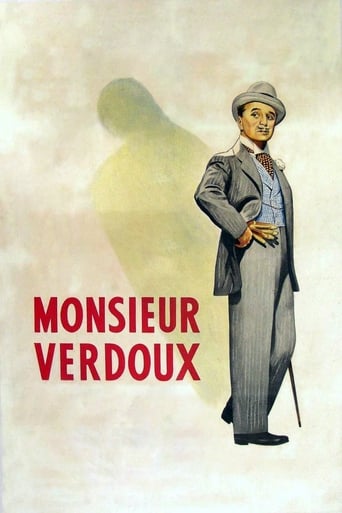
Una comedia de asesinatos.
"Monsieur Verdoux," a 1947 cinematic gem produced by Charles Chaplin Productions and distributed by United Artists, is a dark comedy that showcases the multifaceted genius of its creator, Charles Chaplin. In this film, Chaplin steps away from his iconic Tramp character to portray the suave yet sinister Henri Verdoux, a former bank clerk turned bigamist and serial killer. Inspired by the real-life French murderer Henri Désiré Landru, the film delves into the depths of human morality and societal hypocrisy during the Great Depression. Chaplin's daring choice to blend humor with such a grim subject matter was met with controversy, yet it underscores his willingness to challenge both his audience and the norms of the film industry. Set against the backdrop of post-World War II Europe, "Monsieur Verdoux" uses its protagonist's criminal exploits to comment on the broader economic and social issues of the time. Verdoux, who marries and murders wealthy widows to support his family, becomes a symbol of the lengths to which individuals might go in desperate times. Chaplin's sharp wit and satirical edge are evident as he critiques the capitalist system that drives men to such extremes. The film's dialogue is laced with irony, and its narrative structure cleverly juxtaposes Verdoux's charming facade with his ruthless actions, creating a compelling and thought-provoking experience. Despite its initial mixed reception, "Monsieur Verdoux" has grown to be appreciated for its bold thematic exploration and Chaplin's masterful performance. The film's critical reevaluation over the years highlights its relevance and enduring appeal. Chaplin's ability to evoke both laughter and introspection from his audience is a testament to his skill as a filmmaker and actor. The film's conclusion, where Verdoux faces his fate with a mix of resignation and defiance, leaves viewers pondering the complexities of justice and morality. "Monsieur Verdoux" remains a significant work in Chaplin's oeuvre, illustrating his versatility and courage as an artist. Its production by Charles Chaplin Productions and distribution through United Artists in the United States underscore the film's status as a bold independent venture. The movie's legacy lies not only in its entertainment value but also in its provocative examination of societal values, making it a timeless piece of cinema that continues to resonate with audiences today.
Año1947
Presupuesto2000000$
Duración124 minuto
GénerosComediaCrimenDrama
Países de producciónUnited States of America