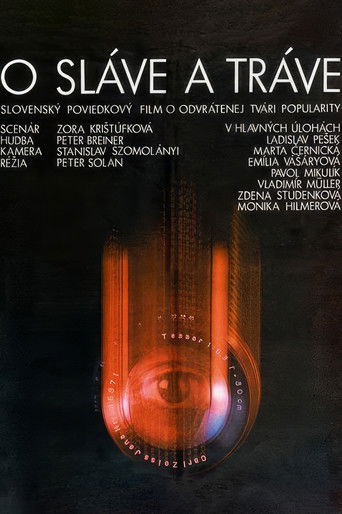
"O sláve a tráve" (1985), produced by Československá televízia Bratislava, is a poignant reflection on the ephemeral nature of fame and the enduring presence of nature. Set against the backdrop of Czechoslovakia's picturesque landscapes, the film delves into the lives of individuals who chase glory, only to find that it is as fleeting as the grass that withers with the seasons. The narrative weaves together stories of ambition and humility, illustrating how the pursuit of greatness often leads to a deeper appreciation of life's simpler, more grounded aspects. The film's visual storytelling is masterful, with director Ján Roháč employing a rich palette of natural scenery to underscore the themes of transience and permanence. The lush fields and rolling hills serve as a constant reminder of the earth's resilience, juxtaposed against the human characters' struggles and triumphs. The cinematography captures the essence of rural Czechoslovakia, offering viewers a serene yet thought-provoking journey through the countryside. At its core, "O sláve a tráve" is a meditation on the human condition, exploring the universal quest for meaning and recognition. The characters' journeys are relatable and deeply human, as they navigate the complexities of ambition, failure, and redemption. The film's dialogue, both sparse and profound, adds layers of emotional depth, inviting audiences to reflect on their own aspirations and the true value of success. In the context of 1980s Czechoslovakia, "O sláve a tráve" stands out as a cultural artifact that subtly critiques the societal obsession with fame while celebrating the timeless beauty of the natural world. Its enduring relevance lies in its ability to resonate with viewers across generations, reminding us that while glory may fade, the grass—and the lessons it teaches—remains eternal.
Año1985
Duración67 minuto
GénerosDrama
Países de producciónCzechoslovakia