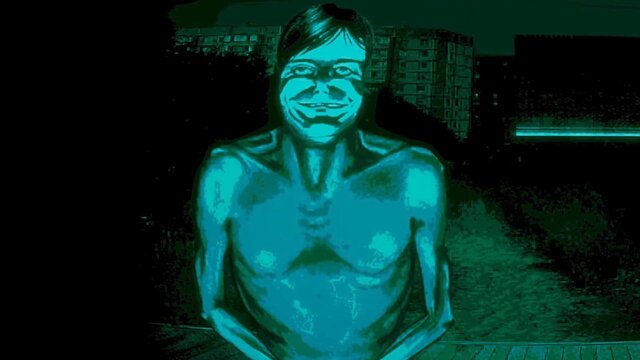
No, I'm Not a Human feels like something Trioskaz pulled straight from a late-night thought experiment. The game doesn't rush you. It lets silence stretch, lets small decisions land with more weight than you'd expect. You move through quiet spaces, read between lines, and slowly realize the rules aren't quite what they seem.
Trioskaz built this one with restraint. Visuals stay simple but deliberate, colors muted until a single detail pops. Sound design carries a lot of the mood, soft ambient layers that shift when tension rises. The writing avoids big speeches. Instead it drops fragments, half-truths, and moments where you have to decide who or what you're really dealing with.
Gameplay stays light on mechanics and heavy on observation. You examine objects, talk to people who may or may not be telling the truth, and watch how your choices ripple outward. Some paths close quietly. Others open in ways that make you question earlier assumptions. It rewards paying attention more than quick reflexes.
What sticks with most players is the tone. No, I'm Not a Human never spells out its central mystery. It trusts you to sit with uncertainty. That approach can feel frustrating if you want clear answers, yet it also gives the experience staying power. You finish a session and keep turning moments over in your head.
Trioskaz clearly aimed for something personal rather than polished to perfection. The rough edges actually help the atmosphere. They make the world feel lived-in instead of designed for screenshots. If you're looking for a short, thoughtful indie game that lingers after the credits, No, I'm Not a Human is worth your time.