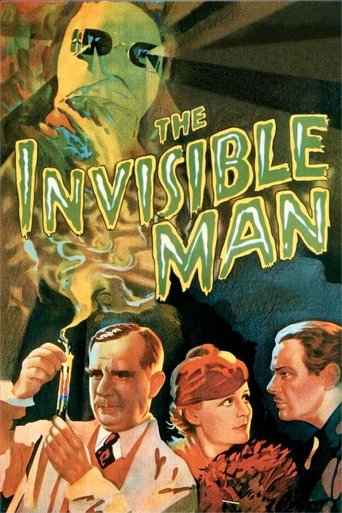
H.G. Wells’ fantastic, out-of-this-world show!
"The Invisible Man," a groundbreaking 1933 film produced by Universal Pictures, masterfully blends science fiction and horror to create a cinematic experience that remains influential to this day. Directed by James Whale and based on H.G. Wells' novel, the film follows the story of Dr. Jack Griffin, a brilliant scientist who discovers a serum that renders him invisible. As he grapples with the side effects of the drug, which drive him to madness, Griffin embarks on a reign of terror, leaving a trail of chaos and fear in his wake. The film's innovative special effects, achieved through meticulous use of wires, matte paintings, and innovative camera techniques, were revolutionary for the time and set a new standard for the genre. The narrative of "The Invisible Man" delves deep into the psychological turmoil of its protagonist, offering a chilling portrayal of a man consumed by his own hubris and the unintended consequences of his scientific pursuits. Claude Rains delivers a captivating performance as Dr. Griffin, despite being largely unseen throughout the film. His voice, filled with menace and desperation, becomes the primary vehicle for conveying the character's descent into madness. The film's exploration of themes such as isolation, power, and the ethical boundaries of science resonates with audiences, making it more than just a tale of horror but a cautionary narrative about the dangers of unchecked ambition. In addition to its compelling storyline and character development, "The Invisible Man" is notable for its atmospheric setting and suspenseful pacing. The film's use of fog-laden landscapes and shadowy interiors heightens the sense of unease and mystery, drawing viewers into Griffin's increasingly unstable world. The supporting cast, including Gloria Stuart as Griffin's fiancée Flora Cranley and Henry Travers as her father, adds depth to the story, providing a human counterpoint to Griffin's descent into villainy. Their performances ground the film in a reality that makes Griffin's actions all the more terrifying. "The Invisible Man" not only captivated audiences upon its release but also left a lasting impact on the film industry. Its success paved the way for numerous adaptations and sequels, cementing its place in the annals of cinema history. The film's blend of technical innovation, psychological depth, and gripping storytelling continues to inspire filmmakers and entertain viewers, proving that the tale of a man who becomes invisible is as relevant and thrilling today as it was in 1933.
*If our moderation approves your version, it will be replaced and you will be credited as the text author.
Year1933
Budget328000$
Runtime71 min
Revenue27105$
GenresHorrorScience Fiction
Production countriesUnited States of America