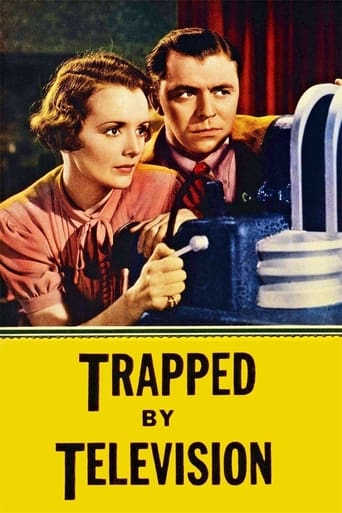
AS STARTLING AS ITS TITLE
"Trapped by Television" (1936), a cinematic gem produced by Columbia Pictures in the United States, offers a fascinating glimpse into the early perceptions of television's potential impact on society. Directed by the visionary Del Lord, this film cleverly intertwines elements of science fiction and crime drama, creating a narrative that was ahead of its time. The story revolves around a scientist who invents a groundbreaking television system capable of broadcasting live events from anywhere in the world. However, his invention soon becomes a tool for criminals, leading to a thrilling chase that captivates audiences with its innovative use of technology as a plot device. The film's protagonist, portrayed by the charismatic Lyle Talbot, embodies the dual nature of technological advancement—both a boon and a bane. As the scientist who inadvertently aids criminals, Talbot's character navigates the moral complexities of his creation, highlighting the ethical dilemmas that often accompany scientific breakthroughs. The film's setting, a blend of futuristic laboratories and gritty urban landscapes, adds depth to the narrative, reflecting the societal anxieties about the rapid pace of technological change during the 1930s. "Trapped by Television" also stands out for its technical achievements, particularly in its depiction of television technology. The film's special effects, though rudimentary by today's standards, were groundbreaking for the era, showcasing the potential of television as a medium for storytelling and surveillance. The use of close-up shots and dynamic camera angles enhances the suspense, drawing viewers into the heart of the action and making them feel the tension of being "trapped" by the very technology they are witnessing. In essence, "Trapped by Television" is not just a film about a futuristic invention; it is a commentary on the societal implications of technological progress. Columbia Pictures' bold venture into this theme in 1936 was remarkably prescient, foreshadowing the pervasive role that television would come to play in everyday life. The film remains a compelling artifact of early cinema, offering modern audiences a window into the hopes and fears of a bygone era, while still resonating with contemporary concerns about technology's influence on society.
*If our moderation approves your version, it will be replaced and you will be credited as the text author.
Year1936
Runtime64 min
GenresScience FictionDramaRomance
Production countriesUnited States of America