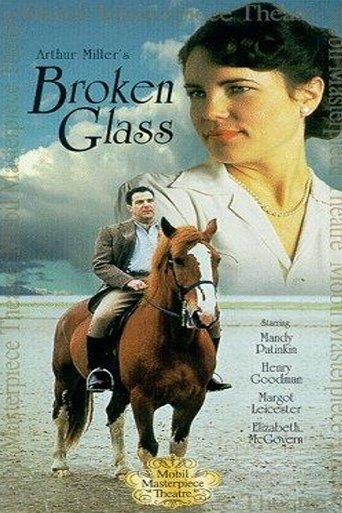
"Broken Glass" (1996), a poignant drama produced by BBC and GBH in the United Kingdom, delves into the complexities of racial tension and social unrest in 1980s London. The film masterfully captures the simmering anger and frustration within the Afro-Caribbean community, spotlighting the aftermath of a controversial police shooting. Through its gritty portrayal of urban life, "Broken Glass" offers a raw and unflinching look at the impact of systemic racism and the struggle for justice. The narrative centers on a group of friends who are drawn into the chaos following the shooting, each dealing with their own personal battles against a backdrop of societal upheaval. The characters are richly developed, with their stories interwoven to create a tapestry of resilience and despair. The film's strength lies in its ability to humanize the often-overlooked struggles of minority communities, presenting a narrative that is both specific to its time and universally resonant. Visually, "Broken Glass" employs a stark and realistic style that enhances its emotional intensity. The cinematography captures the bleakness of the urban landscape, reflecting the characters' sense of entrapment and desperation. The use of handheld cameras and tight framing adds to the film's sense of immediacy, drawing viewers into the heart of the conflict and making them feel the weight of the characters' experiences. "Broken Glass" remains a powerful testament to the enduring impact of racial injustice and the fight for equality. Its relevance persists, serving as a reminder of the ongoing struggles faced by marginalized communities. The film's honest and compelling storytelling ensures that it continues to resonate with audiences, prompting reflection on the past and consideration of the future.
*If our moderation approves your version, it will be replaced and you will be credited as the text author.
Year1996
Runtime96 min
GenresDrama
Production countriesUnited Kingdom