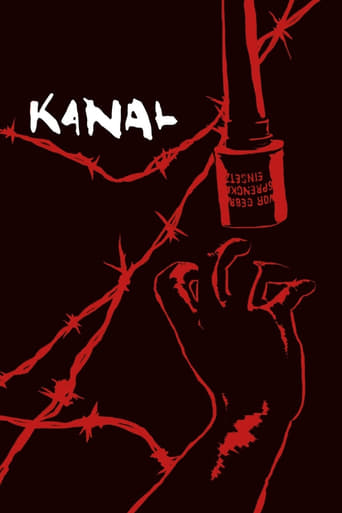
The Claustrophobic Nightmare of War
"Kanał" (1957), directed by Andrzej Wajda and produced by Zespół Filmowy Kadr, is a haunting portrayal of the Warsaw Uprising's final days. Set in 1944, the film follows a group of Polish Home Army soldiers as they navigate the claustrophobic and treacherous sewer system beneath the city in a desperate bid for survival. Wajda's masterful use of chiaroscuro lighting and tight, oppressive framing captures the suffocating atmosphere of the sewers, reflecting the characters' dwindling hope and increasing despair. The film's gritty realism and unflinching depiction of war's brutality make it a powerful testament to the human cost of conflict. The narrative of "Kanał" is driven by the soldiers' harrowing journey through the sewers, a metaphor for the futility and desperation of their situation. As the group faces numerous obstacles, including flooding and disorientation, the film explores themes of leadership, sacrifice, and the will to survive against all odds. The characters, each with their own personal struggles and motivations, are portrayed with depth and nuance, allowing the audience to connect with their plight on a deeply emotional level. Wajda's direction ensures that the film never glorifies war, instead focusing on the tragic consequences of the uprising and the toll it takes on those involved. "Kanał" is also notable for its historical context, being one of the first Polish films to openly address the Warsaw Uprising. The film's release in 1957, during a period of political thaw in Poland, allowed for a more candid exploration of the nation's recent past. Wajda, himself a witness to the uprising, brings a personal perspective to the film, infusing it with authenticity and a sense of urgency. The film's impact was immediate and profound, resonating with audiences both in Poland and internationally, and cementing Wajda's reputation as a leading figure in Polish cinema. In addition to its narrative and historical significance, "Kanał" is a technical achievement, with its innovative use of the sewer setting and its evocative sound design. The film's score, composed by Jan Krenz, adds to the tension and emotional weight of the scenes, while the sound of water and echoes in the tunnels create an immersive experience for the viewer. "Kanał" remains a landmark in Polish cinema, a poignant reminder of the Warsaw Uprising's tragic legacy and a testament to the resilience of the human spirit in the face of overwhelming adversity.
*If our moderation approves your version, it will be replaced and you will be credited as the text author.
Year1957
Runtime96 min
GenresWarDrama
Production countriesPoland