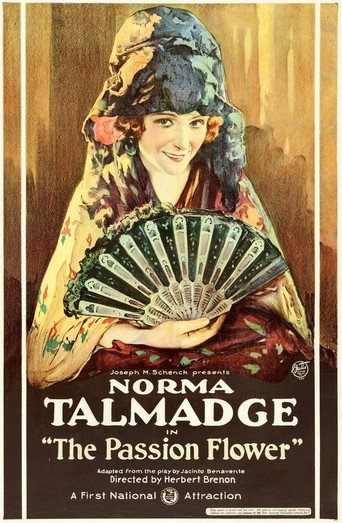
"The Passion Flower" (1921), a silent film produced by the Norma Talmadge Film Corporation, is a captivating cinematic piece that delves into the complexities of love and societal expectations. Set in the United States, the film follows the life of Acacia, a young woman who, despite her exotic beauty and charm, struggles to find true love amidst the rigid social norms of the era. Norma Talmadge, both the star and a key figure behind the production, delivers a compelling performance that highlights her versatility and depth as an actress. The film's narrative, rich with emotional turmoil and dramatic twists, showcases Talmadge's ability to convey profound feelings through the silent medium. Directed by Herbert Brenon, "The Passion Flower" is notable for its lush visual style and intricate set designs, which transport viewers to the opulent yet stifling world of high society. The film's aesthetic choices, including the use of elaborate costumes and detailed backdrops, enhance the storytelling and provide a vivid backdrop to Acacia's journey. Brenon's direction skillfully balances the film's melodramatic elements with moments of genuine tenderness, creating a narrative that is both engaging and emotionally resonant. The collaboration between Talmadge and Brenon results in a film that stands out as a testament to the artistry of silent cinema. The storyline of "The Passion Flower" explores themes of identity and belonging, as Acacia navigates her way through a world that often misunderstands and misjudges her. Her journey is one of self-discovery and resilience, as she confronts the challenges posed by societal expectations and personal desires. The film's portrayal of Acacia's struggles and triumphs offers a poignant commentary on the constraints faced by women during the early 20th century, making it a relevant and thought-provoking piece even today. Through its nuanced character development and compelling plot, "The Passion Flower" invites viewers to reflect on the timeless nature of love and the human spirit's quest for fulfillment. In addition to its narrative strengths, "The Passion Flower" is also significant for its contribution to the career of Norma Talmadge, who was one of the most prominent actresses of the silent film era. Her involvement in the production and her powerful performance in the lead role underscore her influence and talent within the industry. The film remains a cherished part of her legacy, showcasing her ability to bring complex characters to life and to captivate audiences with her emotive storytelling. "The Passion Flower" stands as a testament to the enduring appeal of silent films and the remarkable contributions of those who crafted them.
*If our moderation approves your version, it will be replaced and you will be credited as the text author.
Year1921
Runtime84 min
GenresDrama
Production countriesUnited States of America