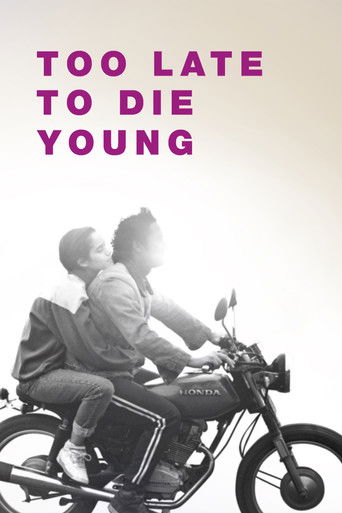
"Tarde para morir joven" (2019), a poignant cinematic work co-produced by Cinestación and DFI in Argentina and Brazil, masterfully captures the essence of a transformative period in Chile's history. Directed by Dominga Sotomayor, the film is set in the early 1990s, a time when the country was emerging from the shadows of Pinochet's dictatorship. The narrative unfolds in a secluded commune nestled in the Andes, where a group of young people navigate the complexities of adolescence against the backdrop of societal change. Sotomayor's delicate direction and the film's naturalistic aesthetic create an immersive experience that resonates with the universal themes of youth, identity, and the search for belonging. The film's strength lies in its nuanced portrayal of its characters, particularly the young protagonists who embody the hopes and uncertainties of a generation. Through their eyes, we witness the subtle tensions and bonds that define their community, as well as the looming presence of the outside world. The commune, with its rustic charm and communal spirit, serves as both a sanctuary and a microcosm of the larger societal shifts occurring beyond its borders. Sotomayor's attention to detail and the film's unhurried pace allow for a deep exploration of the characters' inner lives, making "Tarde para morir joven" a compelling study of human resilience and the passage of time. Cinematographically, "Tarde para morir joven" is a visual treat, with its lush landscapes and intimate close-ups that capture the beauty and fragility of the natural world. The film's use of light and shadow, combined with its muted color palette, evokes a sense of nostalgia and introspection. The sound design, too, plays a crucial role in enhancing the film's atmosphere, with the sounds of nature and the subtle hum of human activity creating a rich auditory tapestry. This meticulous craftsmanship elevates the film beyond a mere coming-of-age story, transforming it into a meditation on the interplay between the individual and the collective. In essence, "Tarde para morir joven" is a testament to the power of cinema to capture the nuances of human experience. Through its thoughtful storytelling and evocative visuals, the film invites viewers to reflect on the enduring impact of historical events on personal lives. As a collaborative effort between Cinestación and DFI, it stands as a shining example of the potential for cross-cultural filmmaking to transcend borders and speak to universal truths. Dominga Sotomayor's vision, brought to life through the dedication of her cast and crew, ensures that "Tarde para morir joven" will continue to resonate with audiences long after the credits roll.
*If our moderation approves your version, it will be replaced and you will be credited as the text author.
Year2019
Homepage
Runtime110 min
GenresDrama
Production countriesArgentinaBrazilQatarChileNetherlands