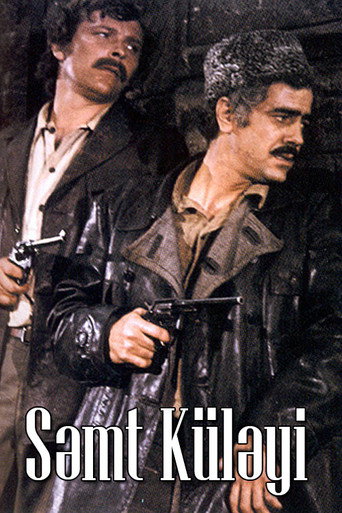
"Səmt Küləyi" (1973), a cinematic gem co-produced by Azerbaijanfilm and Czechoslovakia's Filmové studio Barrandov, stands as a testament to the collaborative spirit of the Soviet Union's diverse republics. Directed by the visionary Rasim Ojagov, this film weaves a compelling narrative set against the backdrop of Azerbaijan's rich cultural tapestry. The story revolves around the life of a young man, whose journey of self-discovery and societal challenges is portrayed with a poignant realism that resonates deeply with audiences. The film's setting in the picturesque yet rugged landscapes of Azerbaijan adds a layer of authenticity and visual splendor that enhances the storytelling. The collaboration with Barrandov studio brought a unique blend of Eastern European cinematic techniques, enriching the film's aesthetic and technical quality. The use of local Azerbaijani actors, combined with the expertise of the Czechoslovak crew, resulted in a harmonious fusion of talents that elevated the film's impact on both local and international stages. "Səmt Küləyi" delves into themes of tradition versus modernity, a recurring motif in Soviet cinema of the era. The protagonist's struggle to reconcile his personal aspirations with the expectations of his community mirrors the broader societal shifts occurring across the Soviet Union. Ojagov's direction skillfully navigates these complex themes, offering viewers a nuanced exploration of identity and belonging. The film's reception was overwhelmingly positive, earning accolades for its narrative depth and cultural significance. "Səmt Küləyi" not only captured the essence of Azerbaijani life but also showcased the potential of cross-cultural collaborations within the Soviet film industry. Its enduring legacy is a testament to the power of cinema to bridge diverse worlds and tell stories that transcend geographical and political boundaries.
*If our moderation approves your version, it will be replaced and you will be credited as the text author.
Year1974
Runtime96 min
GenresHistoryDramaWar
Production countriesCzechoslovakiaSoviet Union