Once upon a time…
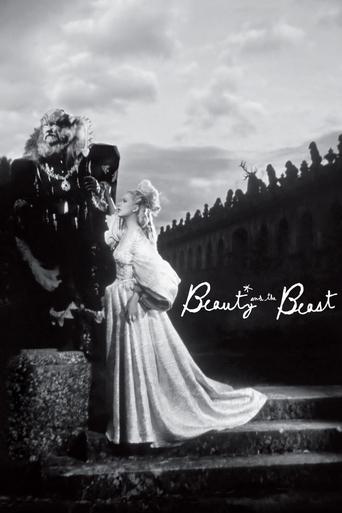
"La Belle et la Bête," released in 1946 and produced by Andre Paulve Film in France, is a cinematic masterpiece that reimagines the classic fairy tale with a hauntingly beautiful aesthetic and profound emotional depth. Directed by the visionary Jean Cocteau, the film transcends the traditional narrative of Beauty and the Beast, offering viewers a surreal and poetic journey. The story follows Belle, portrayed with grace and resilience by Josette Day, as she sacrifices her freedom to save her father, only to find herself captivated by the enigmatic Beast, played by Jean Marais. Cocteau's direction infuses the film with dreamlike sequences and innovative special effects, creating an atmosphere that is both enchanting and unsettling. The film's visual style is a testament to Cocteau's artistic genius, blending elements of surrealism and classicism to craft a world that feels both timeless and otherworldly. The use of chiaroscuro lighting and meticulously designed sets, such as the Beast's castle with its moving candelabras and living statues, adds a layer of mystique and wonder. The costumes, too, are a highlight, with Belle's flowing gowns and the Beast's ornate attire contributing to the film's fairy-tale allure. This attention to detail not only enhances the narrative but also elevates the film to a work of art that continues to captivate audiences. At its core, "La Belle et la Bête" explores themes of love, sacrifice, and transformation. Belle's journey from fear to understanding and eventual love for the Beast is portrayed with sensitivity and nuance, making the film a poignant study of human emotions. The Beast's character, shrouded in mystery and loneliness, evokes sympathy and challenges the viewer's perceptions of beauty and monstrosity. The film's climax, where the Beast's transformation is revealed, is both a literal and metaphorical moment of transcendence, underscoring the power of love to change hearts and destinies. "La Belle et la Bête" remains a landmark in French cinema, celebrated for its artistic innovation and emotional resonance. Its influence can be seen in countless adaptations and interpretations of the fairy tale, yet Cocteau's version stands alone in its ability to weave a spellbinding narrative that speaks to the soul. The film's enduring appeal lies in its ability to transport viewers to a world where magic and reality intertwine, reminding us of the transformative power of love and the beauty found in the most unexpected places.
*If our moderation approves your version, it will be replaced and you will be credited as the text author.
Year1946
Runtime96 min
GenresDramaFantasyRomance
Production countriesFrance