A soldier can lose everything but his courage.
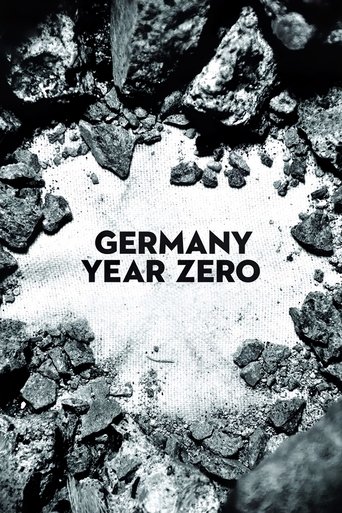
"Germania anno zero" (1948), directed by Roberto Rossellini and produced by Produzione Salvo D'Angelo and Tevere Film, is a poignant cinematic exploration of post-World War II Germany. Set against the backdrop of a devastated Berlin, the film delves into the moral and existential crises faced by its inhabitants. Through the eyes of a young boy named Edmund, Rossellini captures the harsh realities of life in a city struggling to rebuild amidst the ruins of war. The film's neorealist style, characterized by its use of non-professional actors and on-location shooting, lends an authentic and raw portrayal of the era's desolation. The narrative follows Edmund as he navigates the moral ambiguities of a society in collapse. His family, like many others, is grappling with poverty and desperation. His father is bedridden and ill, his sister resorts to questionable means to survive, and his brother, a former Nazi, hides from the authorities. Edmund's journey is one of innocence lost, as he is forced to confront the harsh choices that come with survival. Rossellini's unflinching depiction of these struggles highlights the profound impact of war on the human spirit, particularly on the younger generation. "Germania anno zero" is not just a film about the physical destruction of a city but also about the psychological and moral disintegration of its people. The film's title, translating to "Germany Year Zero," suggests a return to a starting point, a rebirth from the ashes. Yet, Rossellini offers no easy answers or optimistic resolutions. Instead, he presents a stark and sobering vision of a society at a crossroads, where the old values have crumbled, and new ones have yet to take root. The film's ending, a tragic culmination of Edmund's internal and external conflicts, underscores the bleakness of this new beginning. Produced collaboratively by Italian and French companies, "Germania anno zero" stands as a testament to the power of international cinema to address universal themes. Its release in 1948, just three years after the end of the war, made it a timely and courageous work. The film's exploration of guilt, redemption, and the search for meaning in a world turned upside down resonates with audiences even today, making it a timeless piece of neorealist cinema.
*If our moderation approves your version, it will be replaced and you will be credited as the text author.
Year1948
Budget115000$
Runtime74 min
GenresDrama
Production countriesFranceGermanyItaly