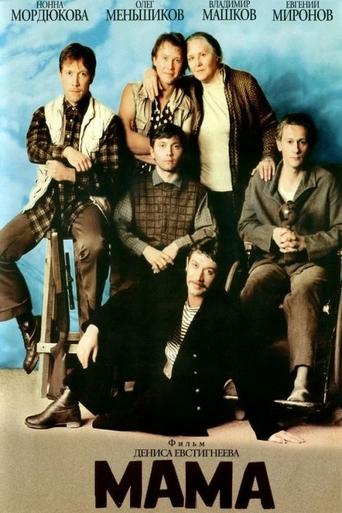
A chronicle of a Soviet family folk-band founded by a mother of six.
"Мама" (1999), a poignant cinematic gem produced by Etalon-Film and Profit in Russia, delves deep into the complexities of familial bonds and the sacrifices a mother makes for her child. Directed with a sensitive touch, the film captures the essence of maternal love against the backdrop of post-Soviet Russia, where economic hardships and societal shifts challenge the protagonist's resolve. The narrative follows Polina, a single mother struggling to provide for her son amidst the crumbling infrastructure and pervasive uncertainty of the era. The film's strength lies in its raw and authentic portrayal of life in the late 1990s, a period marked by rapid change and instability. The director masterfully uses the setting to enhance the emotional depth of the story, with the dilapidated buildings and crowded markets serving as silent witnesses to Polina's daily struggles. The cinematography, characterized by its muted tones and close-up shots, effectively conveys the protagonist's inner turmoil and unwavering determination to secure a better future for her son. Central to the film's impact is the compelling performance of the lead actress, whose portrayal of Polina is both heart-wrenching and inspiring. She embodies the character's resilience and vulnerability with a nuanced performance that resonates with audiences long after the credits roll. The supporting cast, including the young actor playing her son, adds layers to the narrative, highlighting the intergenerational dynamics and the hope that persists despite adversity. "Мама" is more than just a film; it is a testament to the enduring spirit of motherhood and the lengths to which a parent will go to protect and nurture their child. It stands as a powerful reminder of the human capacity for love and sacrifice, making it a timeless piece of Russian cinema that continues to move and inspire viewers around the world.
Year1999
Runtime100 min
GenresDrama
Production countriesRussia