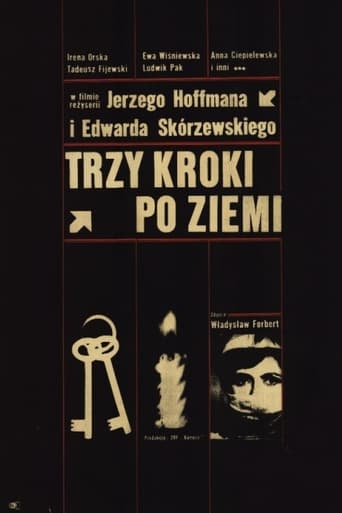
"Trzy kroki po ziemi" (1965), a poignant cinematic work by Zespół Filmowy "Kamera" in Poland, stands as a testament to the power of storytelling through film. Directed by Jerzy Hoffman and Edward Skórzewski, this film delves into the lives of ordinary people navigating the complexities of post-war Poland. The narrative weaves together three distinct stories, each representing a step on the ground, symbolizing the journey and struggles of the characters. The film's unique structure and emotional depth make it a compelling exploration of human resilience and hope. The first story follows a young boy who dreams of becoming a pilot, reflecting the aspirations and innocence of youth amidst a backdrop of societal change. His journey is marked by determination and the support of his community, highlighting the importance of collective strength in achieving personal goals. The second narrative centers on a woman struggling to rebuild her life after losing her husband in the war. Her story is one of perseverance and the search for meaning in a world that has been irrevocably altered. The third and final tale focuses on an elderly man who reflects on his life and the passage of time, offering a contemplative perspective on the human experience. Cinematographically, "Trzy kroki po ziemi" is notable for its use of black and white film, which adds a layer of stark realism to the storytelling. The directors masterfully employ close-up shots and long takes to capture the emotions and nuances of the characters, drawing the audience into their world. The film's score, composed by Wojciech Kilar, complements the visual narrative, enhancing the emotional impact of each story. The collaboration between the filmmakers and the actors results in a seamless and immersive viewing experience. "Trzy kroki po ziemi" remains a significant piece of Polish cinema, offering a window into the lives of its people during a transformative period. Its themes of hope, resilience, and the human spirit resonate with audiences even today, making it a timeless work of art. The film's success lies in its ability to connect with viewers on a personal level, reminding us of the universal struggles and triumphs that define the human condition.
Year1965
Runtime89 min
GenresDrama
Production countriesPoland