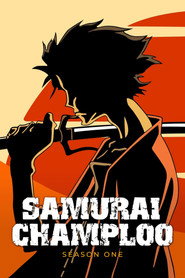
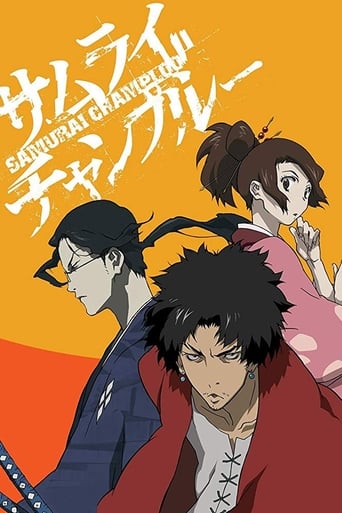
Samurai Champloo arrived in 2004 and quickly set itself apart from other anime of its time. Produced by Manglobe in Japan, the series takes the familiar samurai setting and layers it with unexpected influences. The result feels less like a history lesson and more like a road trip with attitude.
Two ronin and a sharp-tongued waitress set out across Edo-era Japan. Their goal is simple on paper: find a man who smells like sunflowers. Along the way the show keeps shifting tone. One episode leans into gritty sword fights, the next drifts into comedy or quiet character moments. Manglobe never forces the story into a single lane.
What stands out most is the soundtrack and visual style. Jazz, hip-hop beats, and graffiti-inspired credits sit comfortably beside traditional Japanese architecture. The contrast never feels forced. Instead it gives Samurai Champloo a distinct personality that still feels fresh years later.
Manglobe's direction in Japan allowed for fluid animation during action scenes and thoughtful pacing during slower stretches. Viewers notice how the series respects its roots while refusing to stay boxed in by them. Side stories often touch on themes of identity, revenge, and belonging without turning preachy.
Over time Samurai Champloo built a steady following. People return for the chemistry between the leads and the way each arc ends on its own terms. The 2004 series from Manglobe remains a go-to example of how anime can blend old and new without losing either.