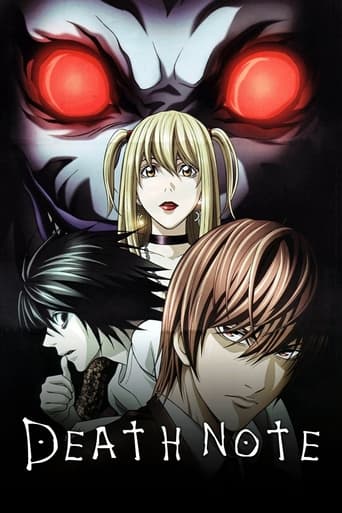
Death Note 2006 remains one of those rare anime series that hooks people from the first episode and refuses to let go. Made by Madhouse together with Nippon Television Network Corporation, the show arrived in Japan at a time when viewers were hungry for something darker and more cerebral than the usual fare.
The premise is simple on the surface yet grows wildly complex. A gifted student finds a notebook that can end lives with just a name and a face. From there the story turns into a tense duel of intellects, where every move carries heavy consequences. Madhouse handled the animation with real care, using tight framing and moody lighting to heighten the sense of dread.
Nippon Television Network Corporation helped bring the project to Japanese audiences with strong scheduling and promotion, giving the series the platform it needed. The 2006 timing proved perfect; the cultural conversation around justice and vigilantism was already in the air, and Death Note 2006 fed right into it.
What sets the series apart is how it refuses easy answers. Characters shift, alliances fracture, and the line between right and wrong keeps moving. The voice performances add another layer, making even quiet scenes feel loaded. Madhouse's attention to small details, like the way shadows fall across faces during key confrontations, rewards close watching.
Japan has produced plenty of memorable anime, yet few manage to blend supernatural elements with such grounded psychological pressure. Death Note 2006 does exactly that, and the result still feels fresh years later. People return to it for the story, the atmosphere, and the way it makes them question their own sense of morality long after the credits roll.