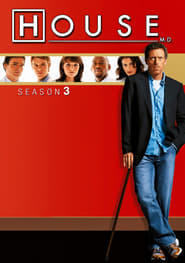
House arrived in 2004 and quickly set itself apart from other medical shows. Produced by Universal Television and Bad Hat Harry Productions in the United States of America, the series leaned into puzzles instead of soap-opera romance. Viewers met Dr. Gregory House, a diagnostic genius who could spot rare diseases while alienating everyone around him.
The writing kept episodes unpredictable. A patient's symptoms would shift, clues would mislead, and the team often argued over the next step. Short scenes mixed with longer, tense consultations gave the show its rhythm. House's sarcasm cut through every conversation, yet moments of quiet insight revealed more about his own pain.
What felt fresh was the focus on pure problem-solving. The United States setting allowed for realistic hospital politics without turning the story into a lecture. Universal Television supplied the polished look, while Bad Hat Harry Productions shaped the darker, irreverent tone. Together they created a world where medicine and personality clashed constantly.
Over eight seasons the characters grew in small, believable ways. Relationships frayed and mended. New doctors joined the team and learned House's unorthodox methods. Fans stayed for the medical mysteries but returned for the sharp dialogue and the way the show refused easy answers.
House remains a benchmark for intelligent procedural drama. Its blend of intellect, humor, and flawed humanity still draws new viewers who appreciate a series that respects their attention.