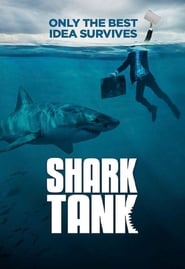
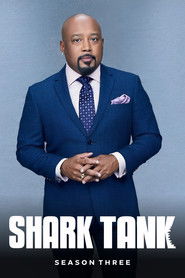
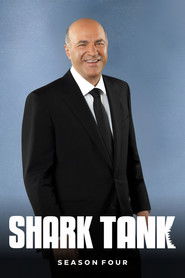
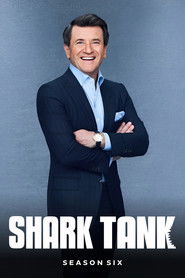
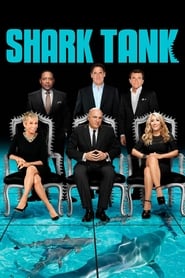
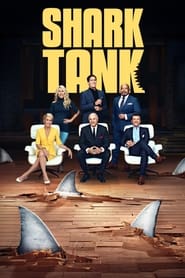
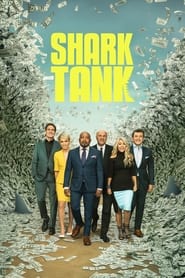
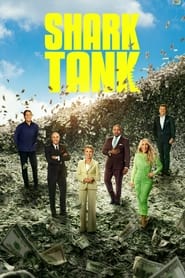
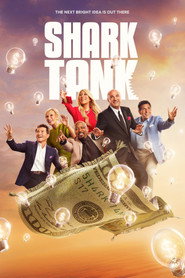
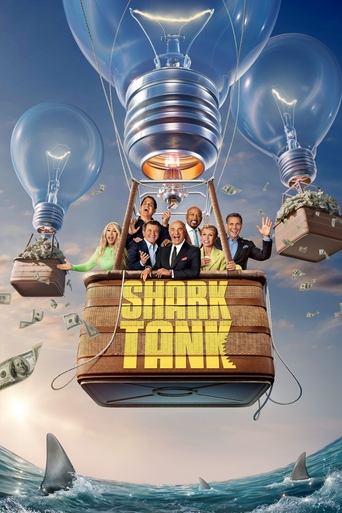
Shark Tank arrived in 2009 with a straightforward hook that still pulls people in. Entrepreneurs step onto the set, products in hand, and face a row of investors ready to grill every number and claim. Sony Pictures Television teamed up with Mark Burnett Productions to shape the series in the United States of America, and the result feels less like polished television and more like a live negotiation that can turn on a single sentence. Some pitches land cleanly, others unravel fast when the sharks spot weak margins or shaky projections. The tension builds because the money on the table is real, not staged for effect. Viewers watch body language shift, voices tighten, and sudden counteroffers reshape entire futures in minutes. Over the years the show has highlighted everything from kitchen gadgets to tech prototypes, always circling back to the same question of whether an idea can survive outside the room. The sharks bring their own rhythms - blunt, patient, or quietly calculating - and those differences keep each episode from settling into a pattern. Editing stays tight, cutting between hopeful faces and skeptical stares without overdoing the drama. What lingers afterward is the sense that business, at its core, stays personal no matter how many spreadsheets appear.