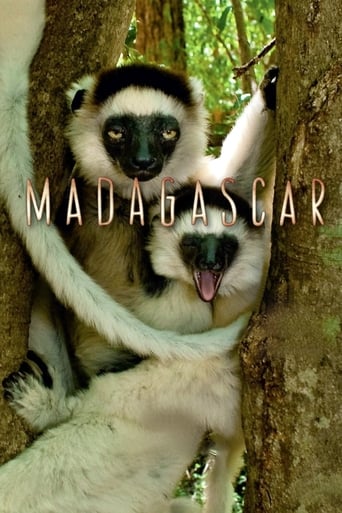
Madagascar 2011 stands out as one of those rare nature series that actually pulls you in without feeling like a lecture. The BBC Studios Natural History Unit teamed up with Animal Planet to film across the island's wildly different landscapes, from misty highlands to parched coasts. What hits hardest is how close the cameras get to the animals. Lemurs leap through the canopy in sequences that feel almost personal, while chameleons shift colors in ways that still surprise even after years of similar footage. The production stretched over multiple seasons, with crews from the United Kingdom and the United States of America working in tough conditions to capture behaviors rarely seen before. One episode follows a tiny mouse lemur through its first nights alone, and the tension builds naturally without any forced drama. Another tracks the massive baobab trees and the creatures that depend on them when rains finally arrive. These moments land because the editing keeps the pace varied - sometimes lingering on a single shot, other times cutting quickly between different species. Madagascar 2011 never pretends the island is some untouched paradise. It shows the real pressures from habitat loss and how isolated evolution has made every species more vulnerable. Still, the sheer inventiveness of the wildlife keeps the tone from turning grim. The series rewards rewatching, especially if you pause on the smaller details the filmmakers clearly spent months waiting to record. It's the kind of documentary that leaves you thinking about the island long after the credits roll.
*If our moderation approves your version, it will be replaced and you will be credited as the text author.
Homepage
Year2011
Number of episodes3
Number of seasons1
Episode run time60
StatusEnded
GenresDocumentary
Production countriesUnited KingdomUnited States of America