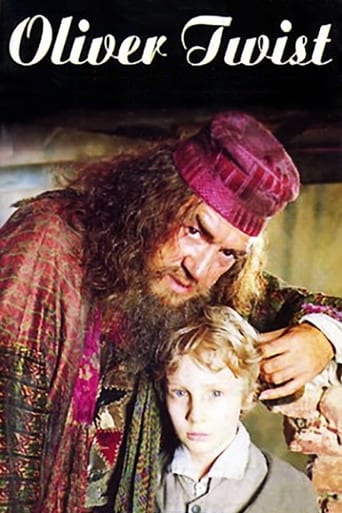
Oliver Twist from 1999 stands out among Dickens adaptations for its grounded take on poverty and survival. GBH handled production in the United States of America, bringing a measured pace that lets the story breathe rather than rush through the familiar beats. The young lead carries the weight of constant rejection and small hopes without overplaying it, while supporting roles fill out the grim London world with believable grit.
Long stretches focus on Oliver's daily struggles, broken by sharper moments of confrontation or fleeting kindness. That mix keeps tension alive even when the plot follows the book closely. GBH's version avoids glossy period gloss, favoring muted tones and cramped sets that make the workhouse scenes feel genuinely oppressive. Viewers notice how the social commentary lands without heavy narration, letting the characters' choices reveal the era's harsh rules.
The serial runs long enough to explore side stories that shorter films skip, like the thieves' uneasy loyalties or the lawyer's quiet calculations. In the United States of America it found an audience on public channels, where families could watch together without modern edits softening the edges. Oliver Twist 1999 rewards patience with a finale that feels earned rather than tidy. Its strength lies in restraint, showing how one boy's persistence cuts through a system built to crush it.