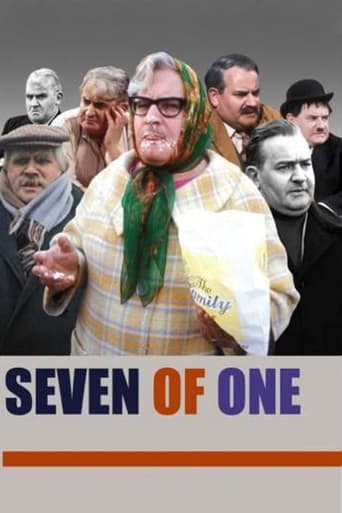
Seven of One arrived on BBC screens in 1973 as a neat experiment from the United Kingdom. Ronnie Barker got seven separate comedy ideas on air in one short run, each episode standing alone like a quick test drive. Some landed cleanly, others felt rough around the edges, yet the whole thing carried a loose, playful energy that suited the era. Two of those pilots grew into proper series later. The prison-set story became Porridge, while the grumpy shopkeeper tale turned into Open All Hours. Watching now, you can spot the seeds right away: the same sharp timing, the same affection for awkward characters stuck in small worlds. The remaining episodes never went further, but they still show what the BBC was willing to try back then, giving a single performer room to shape an entire evening of television. The format itself feels unusual today. Instead of committing to one concept, Seven of One spread its bets across different tones and settings. One week you got broad farce, the next something quieter and more observational. That variety kept things fresh even when an idea didn't quite click. Barker's range carried most of the weight, moving from sly schemers to put-upon everymen without much fuss. In the wider landscape of 1970s British comedy, the series sits as a quiet footnote that paid off bigger than expected. It proved a low-risk way for the BBC to spot what audiences might stick with, and two lasting shows emerged from the batch. For anyone curious about how classic sitcoms got their start, Seven of One offers a direct glimpse at the raw material before the polish arrived.
*If our moderation approves your version, it will be replaced and you will be credited as the text author.
Year1973
Number of episodes7
Number of seasons1
Episode run time30
StatusEnded
GenresComedy
Production countriesUnited Kingdom