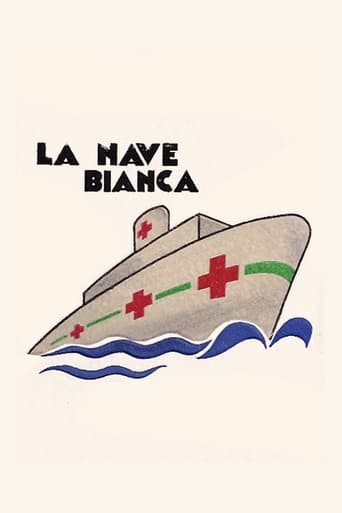
"La nave bianca," released in 1941, is a poignant Italian war film produced by Scalera Film in collaboration with the Centro Cinematografico del Ministero della Marina. Directed by Roberto Rossellini, this cinematic piece stands out as an early example of his neorealist style, blending documentary elements with narrative storytelling. The film follows the daily life aboard a hospital ship during World War II, offering a humanistic perspective on the conflict by focusing on the medical staff and wounded soldiers rather than the battles themselves. Set against the backdrop of the Mediterranean Sea, "La nave bianca" captures the serene yet tense atmosphere of a vessel dedicated to healing amidst the chaos of war. The ship, painted white as a symbol of neutrality and medical service, becomes a microcosm of the larger conflict, showcasing the resilience and compassion of those who work tirelessly to save lives. Rossellini's use of real naval personnel and actual hospital ships adds a layer of authenticity that enhances the film's emotional impact. The narrative of "La nave bianca" eschews traditional war film tropes, instead emphasizing the personal stories and emotional journeys of its characters. Through the lens of the medical staff, the film explores themes of duty, sacrifice, and hope, presenting a more nuanced view of war's human cost. The interactions between doctors, nurses, and patients highlight the universal desire for peace and the shared humanity that transcends the divisions of conflict. "La nave bianca" remains a significant work in the history of Italian cinema, not only for its early adoption of neorealist techniques but also for its powerful anti-war message. Produced during a time when Italy was deeply involved in World War II, the film's release was a bold statement on the part of Rossellini and his collaborators, using the medium of film to advocate for compassion and understanding in the face of global turmoil.
Năm:1941
Thời lượng72 phút
Thể loạiPhim Chiến TranhPhim Chính Kịch
Các quốc gia sản xuấtItaly