One American's Journey into the Truth
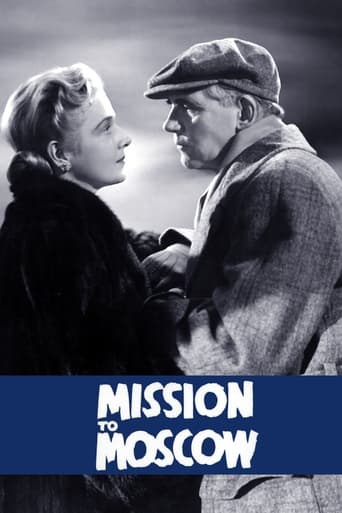
"Mission to Moscow," released in 1943 by Warner Bros. Pictures, stands as a unique cinematic artifact from World War II-era America. Directed by Michael Curtiz, the film is an adaptation of former U.S. Ambassador Joseph E. Davies' memoir, detailing his diplomatic mission to the Soviet Union from 1936 to 1938. At a time when the United States and the Soviet Union were allies against the Axis powers, the movie serves as a piece of wartime propaganda, aiming to foster a positive image of the Soviet Union among American audiences. Its release during the height of the war underscores the shifting geopolitical alliances and the urgent need for unity among the Allied forces. The film's narrative follows Davies, portrayed by Walter Huston, as he navigates the complexities of Soviet politics and witnesses pivotal historical events, including the Moscow Trials and the signing of the Nazi-Soviet Pact. "Mission to Moscow" is notable for its sympathetic portrayal of the Soviet Union, a stark contrast to the anti-communist sentiments that would dominate American culture in the post-war years. The movie's depiction of the Soviet leadership and its justification of the purges reflect the wartime necessity of presenting a united front against fascism, even if it meant glossing over ideological differences and human rights concerns. Despite its propagandistic intent, "Mission to Moscow" faced significant controversy and criticism, both at the time of its release and in subsequent years. Many viewed the film as an overt piece of Soviet apologia, with its favorable portrayal of Stalin and the Communist Party drawing ire from anti-communist factions within the U.S. The film's production was overseen by the Office of War Information, which sought to ensure that it aligned with the broader goals of wartime propaganda. This governmental involvement further fueled debates about the ethics of using cinema as a tool for political persuasion. In retrospect, "Mission to Moscow" offers a fascinating glimpse into the wartime mindset and the lengths to which Hollywood would go to support the war effort. While it may not hold up as a piece of objective historical documentation, the film remains a valuable cultural artifact that reflects the complexities of wartime alliances and the power of cinema in shaping public opinion. Its legacy is a testament to the era's unique political landscape and the enduring impact of propaganda on film.
年份1943
运行时间124 分
类型战争剧情历史
制作国家United States of America